What It Actually Costs to Start a Drone Program (2026)
Most organizations underestimate the cost of a drone program for one simple reason: they confuse buying equipment with building capability.
Imagine this. Your agency approves a $3,000 drone purchase. It arrives on a Tuesday. By Wednesday, it's sitting in a supply closet because nobody is FAA-certified to fly it. Nobody wrote the policies for when or how it gets deployed. Nobody figured out who maintains it, where the footage goes, or what happens when something goes wrong mid-flight. Three months later, someone asks how the "drone program" is going, and the answer is a long pause and a shrug.
That's not a failure of technology. That's a failure of planning. And we see it constantly.
After working with agencies and organizations across public safety, utilities, and government — and watching the same budgeting mistakes play out again and again — here is what the actual cost picture looks like.
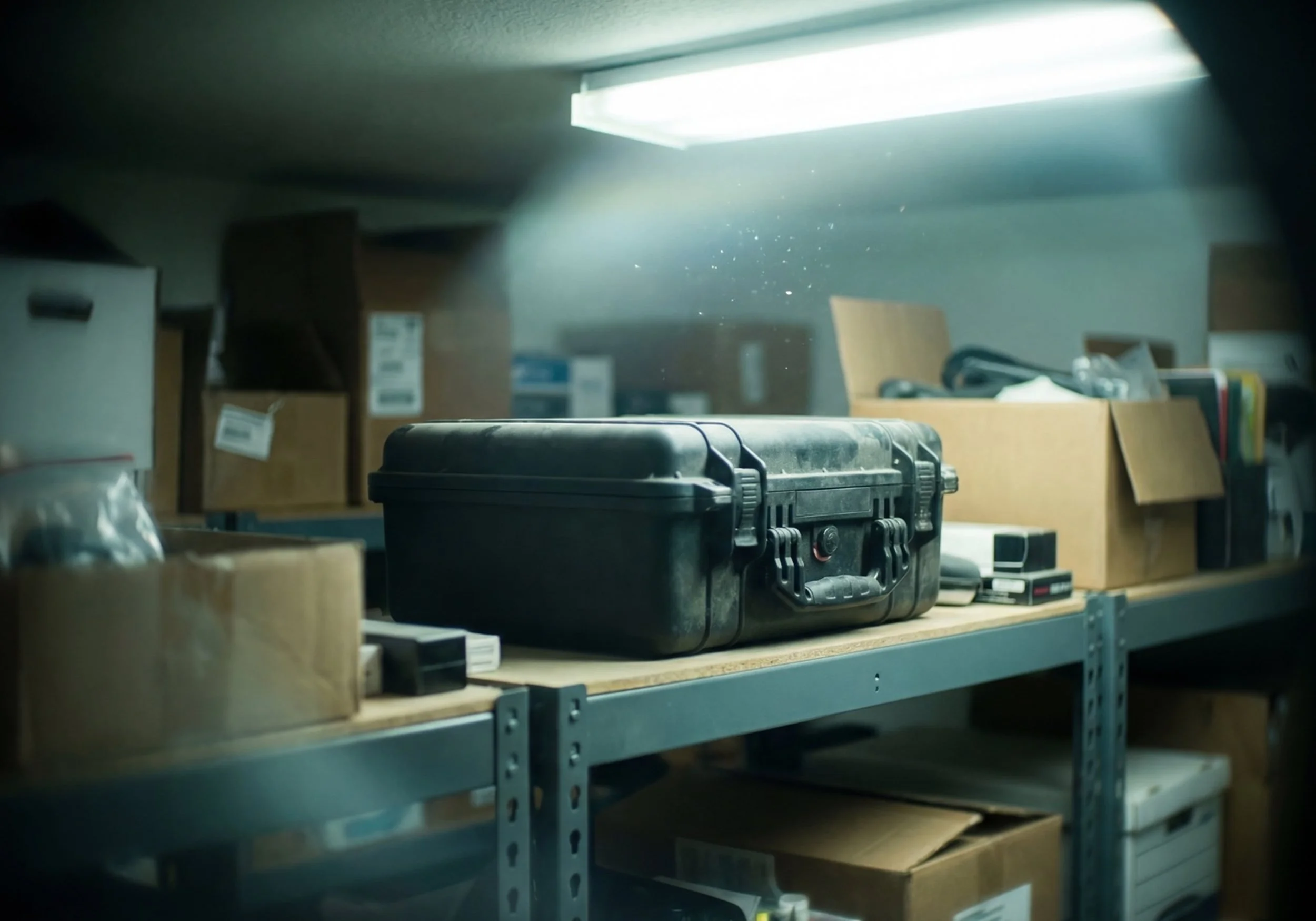
A Drone Program Is Not Just a Drone Purchase
Here's the fundamental misunderstanding that trips up most organizations: they think they're buying a drone. What they're actually building — or what they should be building — is a program.
A drone is a piece of hardware. A program is the people, training, policies, software, maintenance plans, and operational workflows that make that hardware useful. Without the program, the drone is just expensive shelf decoration.
Think of it this way. A fire department doesn't just buy a fire engine and call it a firefighting program. There are trained crews, maintenance schedules, dispatch protocols, equipment inspections, and years of institutional knowledge behind every response. Drone programs work the same way — the aircraft is just one piece of a much larger system.
When we help organizations build their drone programs, the first thing we do is reframe the conversation. It's not "how much does a drone cost?" It's "what does it take to make a drone operationally useful for your team?"
The answer to that second question is where the real budget lives.
Prefer audio? Listen to the full podcast below or open the episode page.
What Actually Makes Up the Cost
Let's break this down into the five major cost categories that every drone program needs to account for. Some of these are obvious. Others are the ones that catch people off guard six months after launch.
Aircraft and Hardware
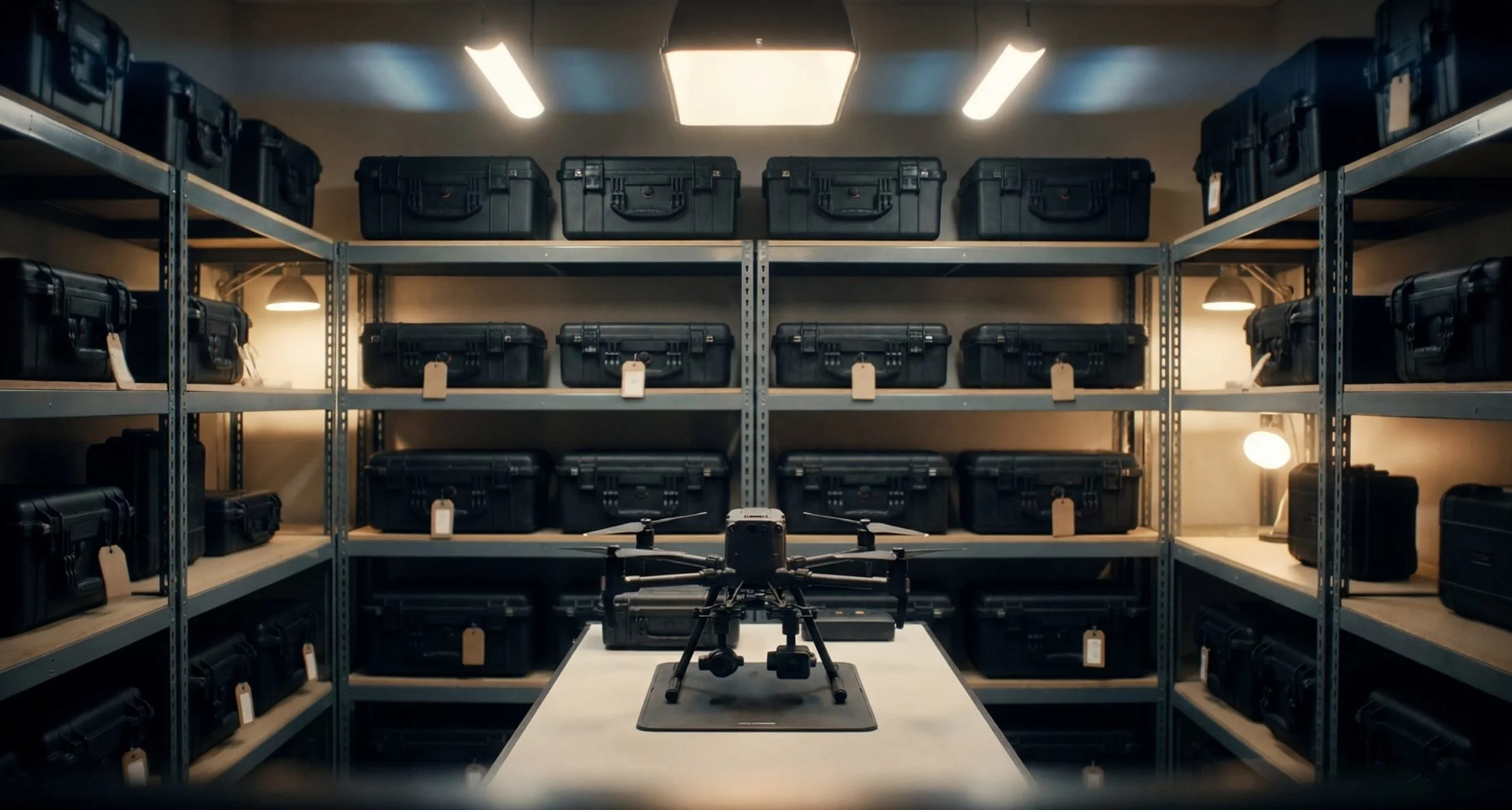
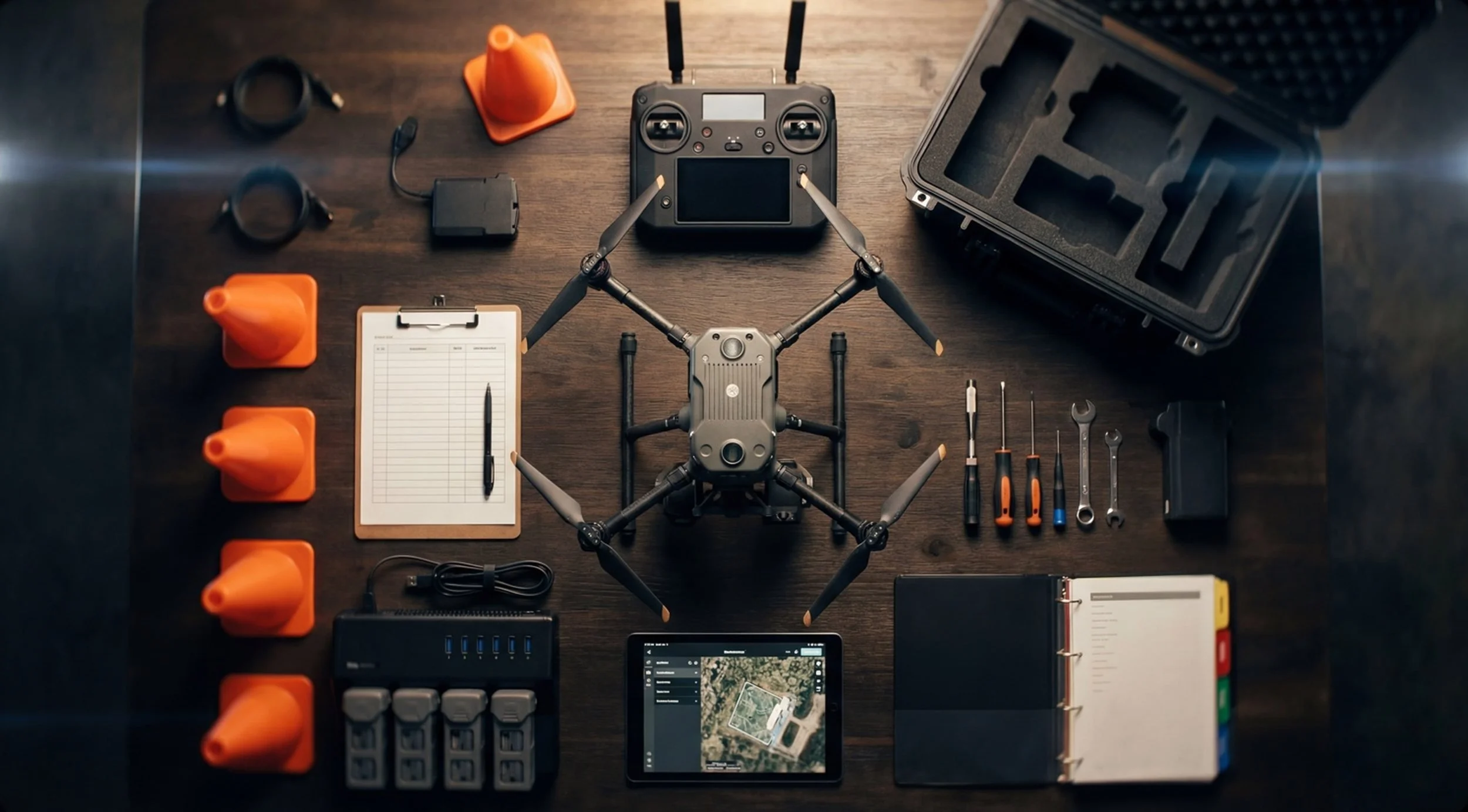
This is the part everyone focuses on — and it's usually the smallest percentage of total program cost. A solid, enterprise-grade drone for most commercial and public safety applications runs between $1,500 and $15,000 depending on the platform. Add in spare batteries ($150–$500 each — you'll want at least 3–4), a quality carrying case, spare propellers, an iPad or controller screen, and maybe a landing pad, and your hardware budget is somewhere between $2,500 and $20,000 for a single-aircraft setup.
For specialized missions — like thermal imaging for firefighting or LiDAR scanning for utilities — you're looking at higher-end platforms and payloads (the cameras and sensors attached to the drone) that can push the hardware budget to $25,000 or more.
But here's the point: even at the high end, hardware is typically only 20–30% of your total first-year program cost. If your entire budget is allocated to buying the drone, you've already set yourself up to stall.
Training
Every person who flies a drone commercially or for a government agency in the United States needs an FAA Part 107 Remote Pilot Certificate. Part 107 is the FAA's certification for commercial drone operators — think of it as a drone pilot's license. You study for a knowledge test covering airspace rules, weather, regulations, and flight safety, then take the exam at an FAA-approved testing center. The test itself costs $175.
Studying for Part 107 can be self-taught, but a structured course saves significant time and dramatically improves pass rates. Our online Part 107 course is $129 and includes unlimited practice exams, exam scheduling guidance, and a full walkthrough of the FAA paperwork process after you pass.
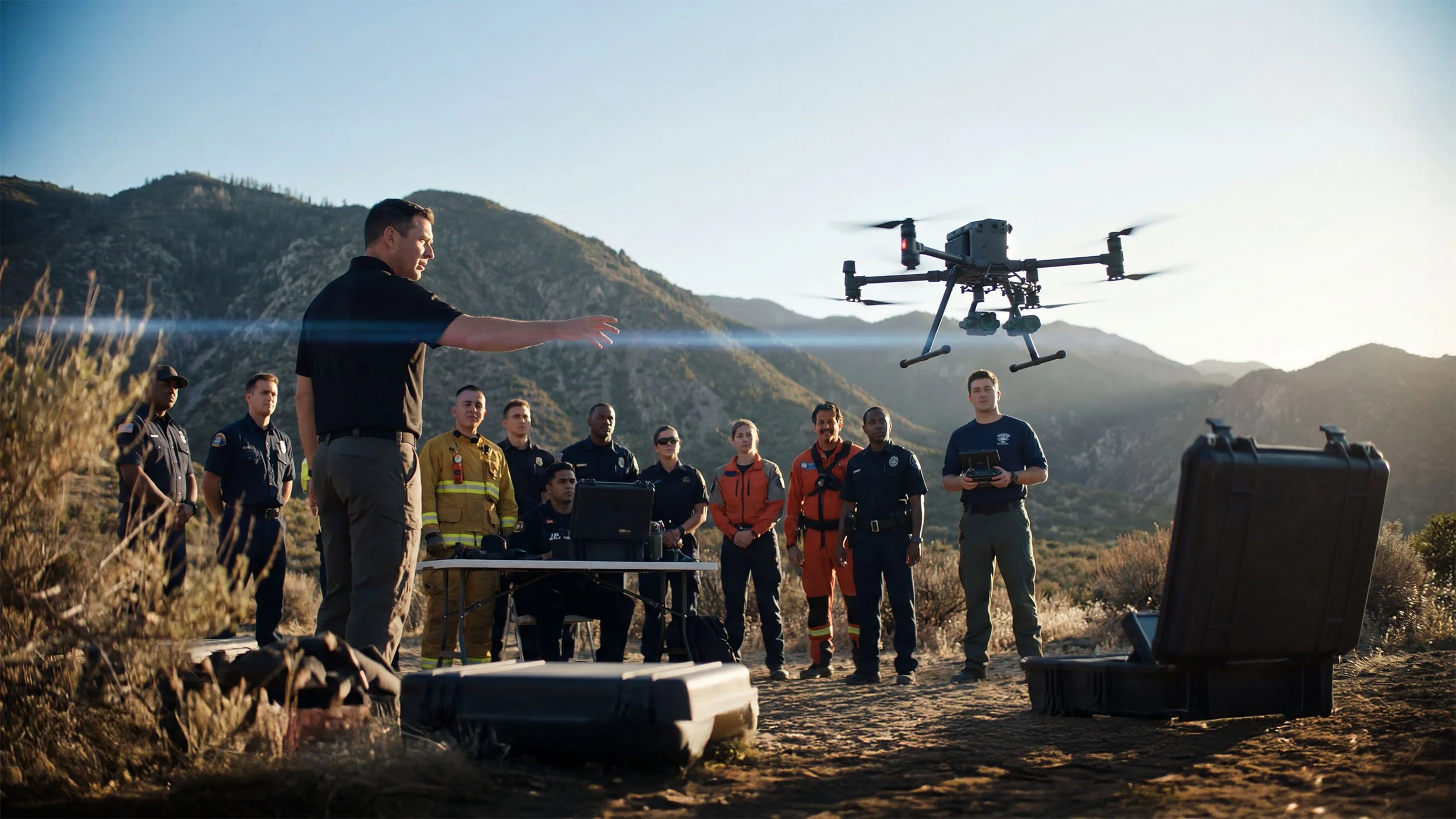
But here's what most budgets miss: Part 107 certification is just the legal minimum. It doesn't teach your team how to actually fly in your specific operational environment. That's where mission-specific training comes in — hands-on, on-site instruction built around the scenarios your team will actually face. Flying a search pattern over a wildfire at night is very different from flying an inspection grid over a transmission line. Both require Part 107. Neither is covered in the Part 107 exam.
Budget $175–$304 per pilot for Part 107 preparation and testing, depending on whether you use free study materials or the $129 course. Budget $3,000–$15,000 for on-site, mission-specific team training depending on group size and complexity.
Program Development
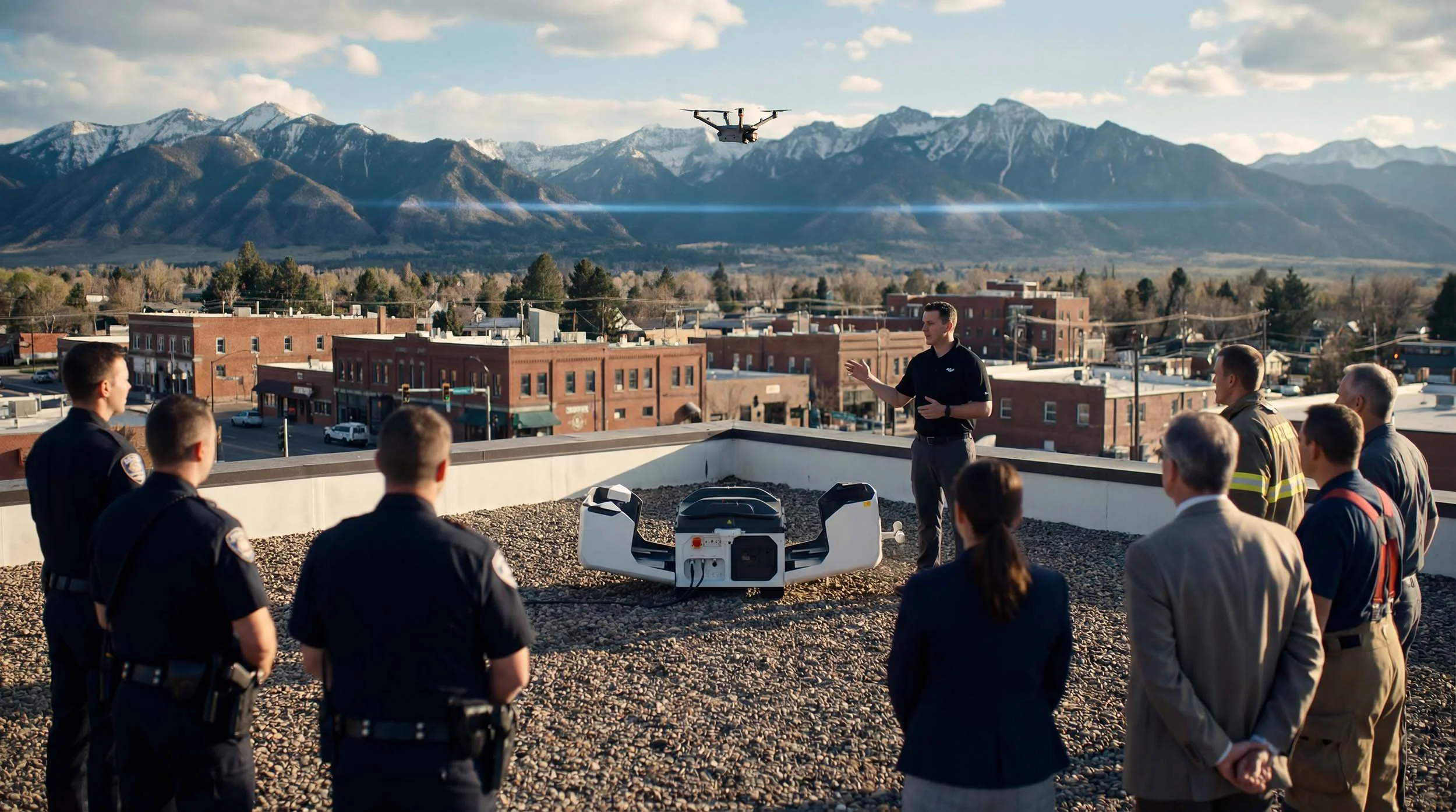
This is the piece that separates a team with a drone from a team with a program. Program development covers everything that lives between "we bought the drone" and "we deployed the drone successfully on a real mission."
That includes writing Standard Operating Procedures (SOPs) — the step-by-step rules for how, when, and where your team flies. It includes defining a chain of command for drone operations. It includes maintenance schedules, pre-flight checklists, data handling policies, risk assessments, and documentation requirements.
For public safety agencies, program development also means figuring out how drone operations integrate with existing incident command structures, mutual aid agreements, and evidence handling procedures.
Our consulting team works with organizations to build this infrastructure from scratch — or to audit and fix programs that launched without it and are now struggling.
Program development consulting typically runs $5,000–$25,000 depending on the size and complexity of the organization. The investment pays for itself the first time your team avoids a compliance violation, an insurance claim, or a grounded fleet because nobody documented the maintenance schedule.
Software and Data Management
Drones generate enormous amounts of data — high-resolution photos, video, thermal imagery, 3D maps, orthomosaics (stitched aerial maps), point clouds (3D data sets used for surveying and modeling). That data doesn't manage itself.
Most programs need some combination of flight planning software (apps that help you pre-program flight paths and manage airspace authorizations), data processing platforms (software that turns raw drone photos into usable maps or 3D models), and secure storage solutions.
Common platforms like DroneDeploy, Pix4D, or DJI FlightHub run anywhere from free tiers with basic features to $300+/month for enterprise plans. Cloud storage for large datasets adds another $50–$200/month depending on volume.
Budget $1,000–$5,000 annually for software and data management.
Ongoing Costs
The budget doesn't end after year one. Ongoing costs include battery replacements (drone batteries degrade over time and typically need replacing every 12–18 months), propeller replacements, firmware updates, annual recurrent training, Part 107 renewal every 24 months, insurance premiums ($500–$2,000/year for commercial liability coverage), and the occasional repair or replacement when something goes wrong in the field.
A realistic annual maintenance and sustainment budget is 15–25% of your original hardware investment, plus training and software renewals. For a $10,000 hardware setup, that means $2,500–$5,000 per year to keep things running.
The Costs That Usually Get Missed
Every budget we review has gaps. These are the five costs that show up in almost none of them:
Staff time for program management. Someone has to own the program. That means scheduling flights, tracking maintenance, managing pilot certifications, handling data requests, and keeping the whole operation compliant. In smaller agencies, this gets stacked on top of someone's existing job — and it quietly consumes 5–10 hours per week. In larger programs, it's a dedicated role. Either way, the time has a cost, and it's rarely budgeted.
Legal and compliance review. Depending on your organization, you may need legal review of privacy policies, data retention rules, evidence handling procedures, or airspace authorization documentation. Public agencies especially need to address public records requests related to drone footage. Budget $2,000–$10,000 for initial legal and compliance setup.
Insurance. Commercial drone insurance is not optional — it's a business necessity. A standard liability policy runs $500–$2,000 per year. Some organizations also need hull coverage (insurance for the drone itself), which adds another $500–$1,500 depending on the aircraft value.
Replacement and redundancy. If your entire program relies on a single drone and it crashes, gets damaged, or goes down for maintenance, your program is grounded. Most serious programs budget for a backup aircraft or at least a fast-track replacement plan. That means either buying two drones upfront or setting aside $3,000–$10,000 in reserve.
Facility and infrastructure. Where does the drone live? Where do you charge batteries? Where does the data get processed and stored? Some teams need a dedicated charging station, a secure storage area, or a mobile deployment kit. These aren't glamorous budget items, but they add up to $500–$3,000.
Where Cheap Setups Go Wrong
We get it. Budgets are tight. Leadership wants to "start small and see how it goes." So someone buys a $500 consumer drone, watches a few YouTube videos, and calls it a pilot program.
Here's what happens next.
The consumer drone can't handle wind above 20 mph. It doesn't have the sensors needed for the mission. The video quality isn't good enough to be operationally useful. The pilot isn't Part 107 certified, which means every flight is technically illegal if it's for work purposes. There are no SOPs, so when something goes wrong, there's no documentation trail. The drone crashes or breaks after two months, and leadership decides "drones don't work for us."
That's not a failed drone program. That was never a drone program in the first place.
The cheapest option almost always ends up being the most expensive one — because you pay for the drone twice (once for the cheap one that didn't work, and again for the one you should have bought the first time), plus you've burned through your organization's willingness to invest in the idea.
We've worked with agencies that spent more money recovering from a bad first attempt than they would have spent doing it right from the start. If you'd like to see what a structured program build looks like, read our guide to building a public safety drone program.
Most drone programs don't fail because of technology. They fail because no one owns them, no one trains for them, and no one planned for what happens after day one.
So What Does a Drone Program Actually Cost?
Here are realistic first-year investment ranges based on what we see across dozens of organizations. These include hardware, training, program development, software, and initial operating costs.
Starter Program — $5,000 to $15,000. One drone, 1–2 certified pilots, basic Part 107 training, entry-level flight planning software, minimal SOPs. Best for small businesses, individual operators, or organizations running a proof-of-concept before committing to a full program. This gets you airborne and legal, but it's lean.
Public Safety / Mid-Tier Program — $20,000 to $60,000. One to two enterprise-grade drones with thermal or zoom payloads, 3–6 certified pilots, mission-specific on-site training, full SOP development, data management platform, insurance, and ongoing maintenance budget. This is where most fire departments, law enforcement agencies, and utility companies land. It's enough to run a real, deployable program with operational credibility.
Enterprise / Multi-Unit Program — $75,000 to $150,000+. Multiple aircraft across different mission profiles, 10+ certified pilots, comprehensive program development with policy manuals and compliance frameworks, advanced data analytics, integration with existing systems (CAD, GIS, asset management), and a dedicated program manager. This is for organizations that are scaling drone operations as a core capability — not a side project.
These ranges cover the full first-year investment. Year two and beyond typically runs 30–50% of the initial cost for maintenance, recurrent training, software renewals, and equipment upgrades.

A Better Way to Budget
Most organizations budget for a drone program the wrong way — they start with "what drone should we buy?" and work forward. That's backwards. Here's a better approach:
Step 1: Define the mission. What specific problems will the drone solve? Search and rescue? Roof inspections? Powerline surveys? Accident reconstruction? Each mission has different equipment, training, and operational requirements. Start here.
Step 2: Identify the operational requirements. How often will you fly? Under what conditions? Day and night? Over people? Beyond the pilot's line of sight? These requirements directly shape your equipment needs, your training requirements, and your regulatory obligations.
Step 3: Determine your team size. How many pilots do you need? Who maintains the equipment? Who manages the data? Who runs the program? Build a staffing model before you pick a drone.
Step 4: Map the regulatory landscape. What FAA certifications are required? Do you need special waivers for night flight, flights over people, or operations in controlled airspace (the areas around airports where air traffic control manages who can fly)? Does your state or municipality have additional drone laws? Compliance isn't optional, and it has real costs.
Step 5: Select the platform last. Once you know your mission, operational requirements, team size, and regulatory needs, the right drone practically selects itself. This is the opposite of how most organizations approach it — and it's why their budgets are always wrong.
Step 6: Build in a sustainment budget from day one. Plan for ongoing costs — battery replacements, annual training, software subscriptions, insurance renewals, and equipment upgrades. If your budget only covers year one, your program will stall in year two.
Questions to Ask Before You Buy Anything
Before your organization spends a dollar on drone hardware, make sure you can answer these eight questions. If you can't answer most of them, you're not ready to buy — you're ready to plan.
1. What specific mission or problem is this drone program designed to solve? "We want a drone" is not a mission. "We need aerial thermal imaging for structure fire overhauls" is. The more specific your mission definition, the better your program design and budget will be.
2. Who will fly it, and are they FAA-certified? Every commercial or government drone operator needs a Part 107 certificate. That means study time, exam fees, and scheduling. If nobody on your team is certified yet, training is the first budget line — not hardware.
3. Who owns the program? Not the drone — the program. Someone needs to be responsible for scheduling, compliance, maintenance, training records, and operational readiness. Without a program manager or designated lead, everything drifts.
4. What SOPs and policies need to exist before the first flight? At minimum: pre-flight checklists, emergency procedures, maintenance protocols, data handling policies, and an operational risk assessment framework. For public safety, add evidence handling, incident integration, and mutual aid procedures.
5. What does your data workflow look like? Where does footage go after a flight? Who processes it? How is it stored? Who can access it? How long is it retained? These questions have legal, operational, and budgetary implications.
6. What's the ongoing annual budget — not just the purchase price? Training renewals, battery replacements, software subscriptions, insurance, repairs. If you only budget for year one, plan for the program to stall in year two.
7. What happens if the drone is damaged or grounded? Do you have a backup? A replacement plan? A maintenance contract? A single point of failure means a single point of shutdown.
8. Are you sure about the platform — or are you buying based on a recommendation, a trade show demo, or a vendor relationship? Platform selection should come after mission definition, not before. We've seen organizations locked into the wrong equipment because someone made a purchase decision before the program requirements were clear. Don't pick the drone first.
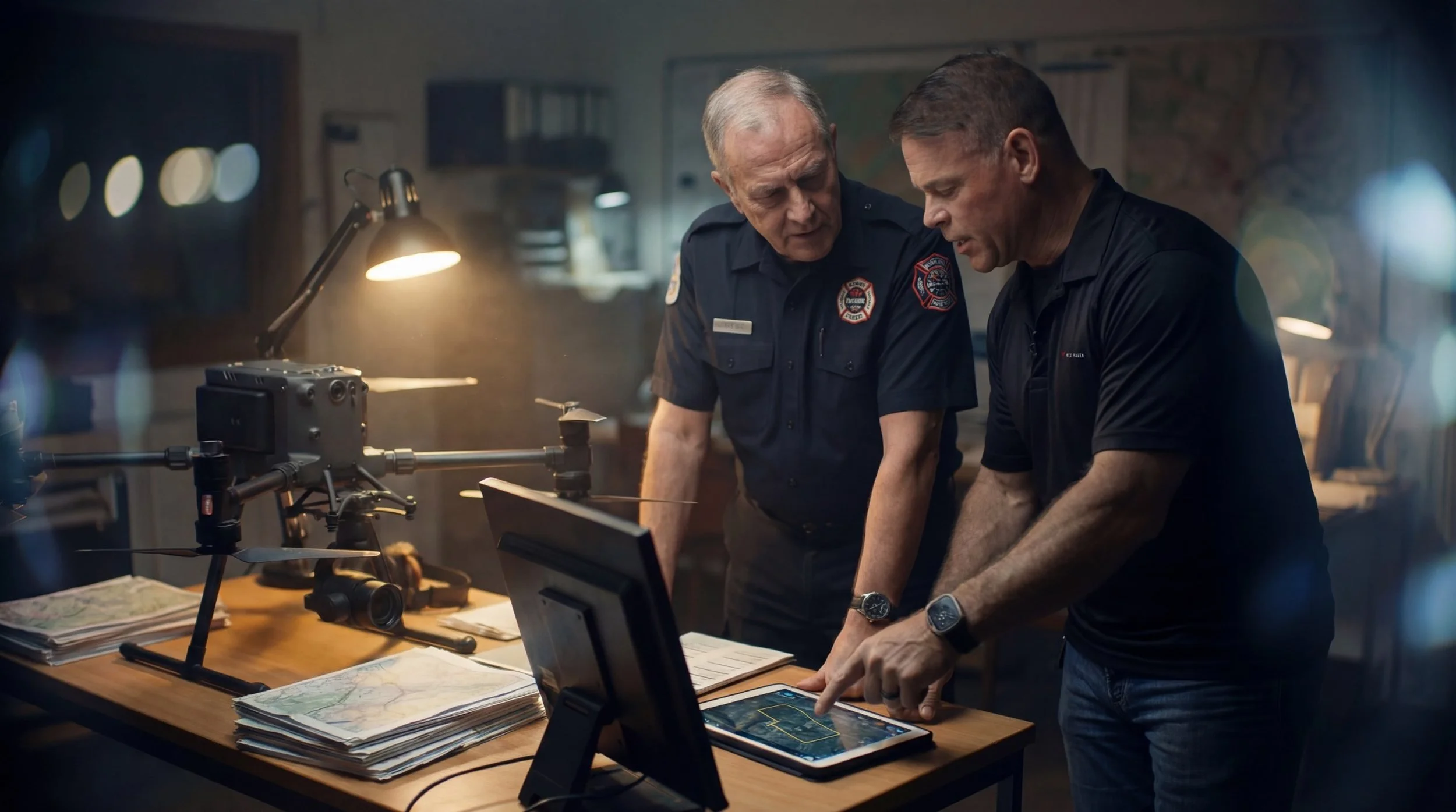
Need Help Building a Drone Program That Actually Works?
Red Raven UAS works with public safety agencies, utilities, government teams, and enterprise organizations to design, build, and scale drone programs that are operationally sound, budget-realistic, and built to last beyond year one.
Whether you're starting from zero or trying to fix a program that launched without a plan, we can help. Our consulting team works with you to define your mission, build your SOPs, train your pilots, and create a sustainment plan that keeps the program running.
We don't sell drones. We don't push specific hardware. We give you independent, vendor-neutral guidance based on what your organization actually needs.
About Red Raven UAS
Red Raven UAS was founded by public safety and drone industry professionals who saw the gap between owning drones and using them effectively in the field. Our team brings together decades of real-world operational experience, including helping build one of the nation’s first major public safety drone programs, along with deep experience supporting commercial UAS operations in energy, utilities, and infrastructure.
We help utility operators, energy companies, and infrastructure teams build drone inspection programs around their actual assets, workflows, and operational needs, not a generic training package. We do not sell hardware, and we do not use one-size-fits-all course material. We provide independent, field-tested training and program development guidance from people who have built and operated UAS programs in the real world.
From initial assessments and ROI planning to pilot training, SOP development, and data workflow design, Red Raven UAS helps organizations build the systems, structure, and operational foundation they need to deploy drones effectively and sustain them over time.
-
How much does it cost to start a drone program?
A basic starter program runs $5,000 to $15,000 including one drone, pilot certification, and basic software. A full public safety or enterprise program typically costs $20,000 to $60,000 in the first year when you include training, program development, insurance, and operational infrastructure.What's the biggest hidden cost in a drone program?
Staff time for program management. Someone has to own the scheduling, compliance, maintenance tracking, data management, and training records. This ongoing time commitment is almost never budgeted and can consume 5–10 hours per week.Do I need Part 107 certification to fly a drone for work?
Yes. Any drone operation conducted for commercial purposes or by a government agency in the United States requires the pilot to hold an FAA Part 107 Remote Pilot Certificate. The exam costs $175, and preparation courses like Red Raven's online course can significantly improve your pass rate.Can I start a drone program with a cheap consumer drone?
Technically yes, but we strongly advise against it for professional programs. Consumer drones lack the sensors, durability, flight time, and wind resistance needed for most commercial or public safety missions. Starting with inadequate equipment often leads to wasted budget and organizational skepticism about drones as a whole.How much does drone program consulting cost?
Program development consulting typically ranges from $5,000 to $25,000 depending on the size and complexity of your organization. This covers SOPs, compliance frameworks, training plans, equipment recommendations, and operational roadmaps.What ongoing costs should I budget for after year one?
Plan for 30–50% of your initial investment annually. This covers battery replacements, software subscriptions, insurance renewals, recurrent training, Part 107 renewal every two years, maintenance, and occasional repairs or equipment upgrades.How long does it take to launch a drone program?
A well-planned program can go from zero to operational in 60–90 days. That includes pilot certification, equipment procurement, SOP development, and initial training. Rushing it — or skipping steps — usually means going back to fix things later, which takes longer overall.Should I pick the drone first or plan the program first?
Always plan the program first. Define your mission, identify operational requirements, determine team size, and map your regulatory needs before you select hardware. The right drone platform is a function of your program requirements — not the other way around.
Links & resources:
Companion Podcast: Drone Program Cost Podcast: First-Year Budget Breakdown
Part 107 Online Course: https://www.redravenuas.com/part107
Consulting & Program Development: https://www.redravenuas.com/consulting
Services Overview: https://www.redravenuas.com/services
How to Build a Public Safety Drone Program: https://www.redravenuas.com/blog/build-public-safety-drone-program-guide
Contact: https://www.redravenuas.com/contact
Explore More