How Drones Are Powering Efficiency in Utilities & Infrastructure
For utility providers and infrastructure operators, staying ahead of maintenance, emergencies, and inspections is critical. Drones are rapidly becoming a game-changer—streamlining operations, reducing risk, and delivering massive time and cost savings across electric, water, energy, and transportation systems.
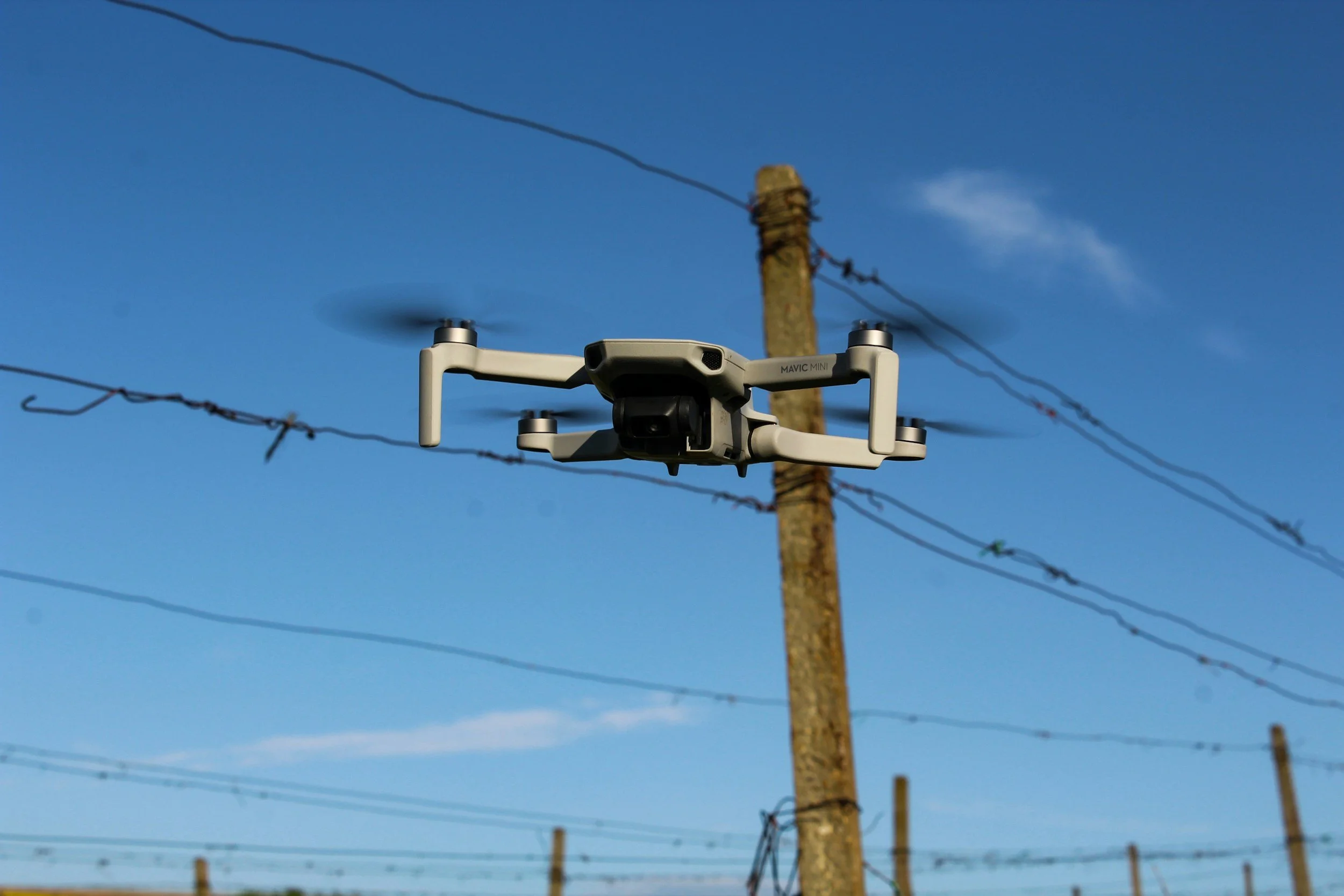
Faster Inspections, Fewer Delays
Traditionally, inspecting power lines, substations, pipelines, or bridges required bucket trucks, helicopters, or rope access teams—all time-consuming and expensive methods. With drones, these same inspections can be performed in minutes, capturing high-resolution visual and thermal data that’s instantly actionable.
Reducing Downtime and Operating Costs
By using drones, utilities can inspect equipment without shutting down systems or dispatching large crews—cutting downtime, minimizing disruption, and reducing the cost of each inspection. The result: more frequent checks, earlier issue detection, and improved asset lifespan, all while staying within budget.
Keeping Workers Out of Harm’s Way
Drones eliminate the need for workers to climb towers, walk hazardous terrain, or operate around live systems during visual inspections. In storm damage scenarios, they allow teams to assess conditions safely before deploying boots on the ground—reducing exposure while speeding up response times.
Real Use Cases
Power line & substation inspections
Pipeline and solar farm assessments
Bridge and structural monitoring
Storm damage and emergency response
Perimeter security and site surveillance
Enabling Smarter Coordination and Planning
With aerial visibility, teams can coordinate across departments more efficiently—using drone data to guide maintenance crews, plan repairs, or assess storm impacts in real time. Drones also enhance communication between field crews and remote supervisors, improving workflow and reducing missteps.
Bottom Line
In utilities and infrastructure, time is money—and drones are saving both. By improving safety, speeding up inspections, and cutting costs, UAS programs are becoming an indispensable part of modern utility operations. Whether you’re overseeing transmission lines or managing city infrastructure, drones help keep your systems running smarter and more reliably. Ready to build a drone program for your utility or infrastructure team? Learn how Red Raven approaches UAS program development and consulting and on-site drone training for enterprise teams.
Links & resources:
On-Site UAS Training for Energy & Utilities: https://www.redravenuas.com/training
UAS Program Development & Consulting: https://www.redravenuas.com/consulting
FAA Part 107 Certification Course: https://www.redravenuas.com/part107
Podcast: Why Utility Drone Programs Fail — And How to Build One That Works https://www.redravenuas.com/podcast/drones-for-energy-and-utilities
Drones for Energy & Utilities: The Complete Guide to Building a UAS Inspection Program https://www.redravenuas.com/blog/utility-drone-inspection-program
Ready to put drones to work across your infrastructure?
At Red Raven UAS, we help utility companies and infrastructure operators build drone programs that are compliant, mission-ready, and built around your specific assets and workflows.
Custom Training: We train your crews on the exact inspection workflows they'll use — power lines, substations, pipelines, solar farms, and more.
Program Development: From FAA compliance and SOPs to hardware selection and data workflows — we build the full roadmap.
Vendor-Neutral: We don't sell hardware. We help you select the right tools for your infrastructure.
Don't let downtime define your operations — let's get your team mission-ready.
About Red Raven UAS
Red Raven UAS was founded by public safety and drone industry veterans to solve a real problem: agencies and enterprise teams buying drones with no clear plan, no trained pilots, and no compliant program to back them up. We provide vendor-neutral consulting to design and build your drone program, customized on-site training for your team and mission, and FAA Part 107 certification to keep your pilots legal and ready. No hardware sales. No generic courses. Just field-tested expertise built for the real world.
Explore More