Part 107 Requirements: Who Needs It and How to Qualify
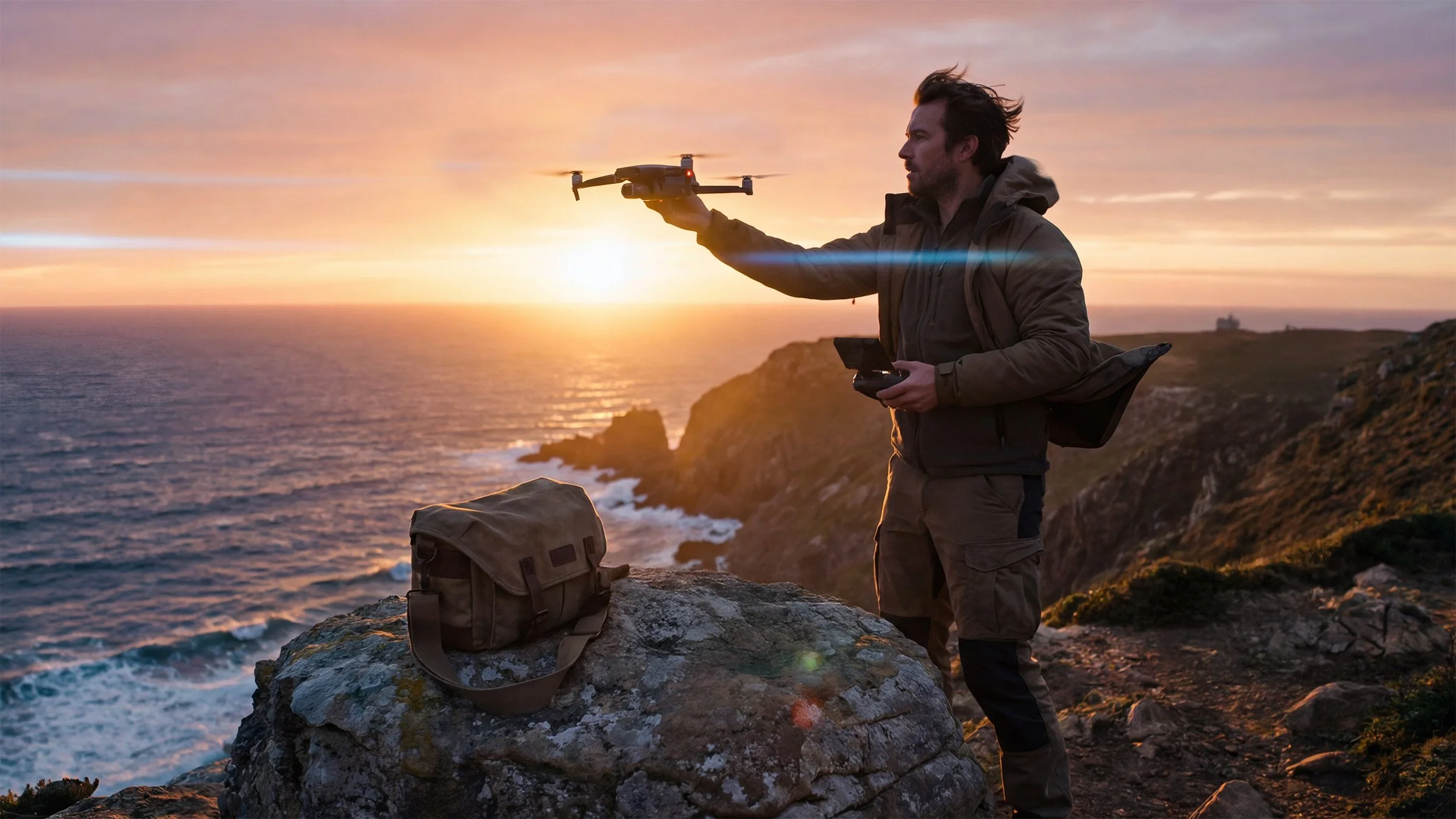
Flying for fun or flying for work? The line is thinner than you think.
Introduction: The "Gray Area" Myth
You just bought a drone. You’ve flown it around the park, chased your dog (safely), and taken some stunning sunset photos. Now, a friend asks, "Hey, can you take a picture of my house so I can put it on Zillow?"
You pause. You aren't charging them money. You’re just doing a favor. Do you need a license for that?
The answer is Yes.
There is a massive misconception in the drone world that "Commercial" means "Big Business." People think if they aren't invoicing a Fortune 500 company, they are just hobbyists.
In the eyes of the FAA, "Commercial" doesn't just mean money changing hands. It means intent. If the flight is for anything other than pure recreational fun, you need a Part 107 Remote Pilot Certificate.
In this guide, we’ll clear up who actually needs the license, who doesn't, and the exact checklist you need to qualify in 2026.
Part 1: The Golden Rule (Who Needs It?)
The FAA divides all drone flights into two buckets:
Recreational (49 USC 44809): Strictly for fun.
Part 107 (Civil Operations): Everything else.
The "Compensation" Trap You might think, "I'm not getting paid, so it's not commercial." Wrong. The FAA defines commercial use as flight "in furtherance of a business."
Scenario A: You fly for a non-profit or a church to get footage for their website.
Verdict: Part 107 Required. Even though it’s unpaid volunteering, it helps the organization's operations.
Scenario B: You are a roofer. You use a drone to check a shingle so you don't have to climb a ladder. You don't charge the client extra for the "drone view."
Verdict: Part 107 Required. The drone is a tool helping your roofing business.
Scenario C: You post drone videos on YouTube. You turn on "Monetization" (Ads).
Verdict: Part 107 Required. Your channel is now a business.
It really is this simple. If there is a non-recreational purpose, you need the card.
Part 2: The Eligibility Checklist (Can You Qualify?)
Okay, so you need the license. Can you actually get one? The barrier to entry is surprisingly low. You don't need perfect vision, and you don't need a medical certificate from a doctor.
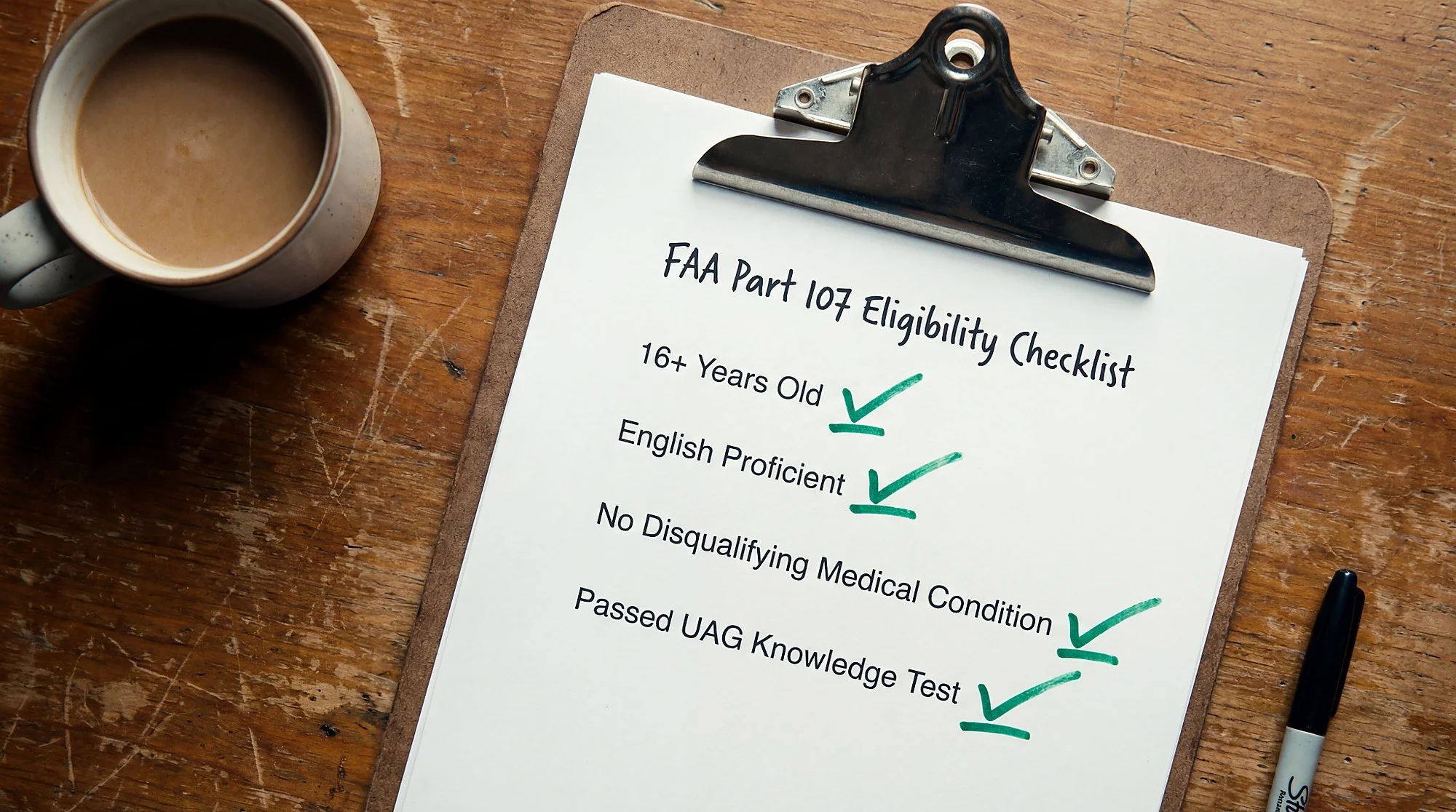
Here are the 5 Requirements to Apply:
Age: You must be at least 16 years old.
Note: You can take the test at 14, but you can't apply for the actual certificate until you turn 16.
Language: You must be able to read, speak, write, and understand English.
Why? In an emergency, you might need to talk to Air Traffic Control or read a safety bulletin. Aviation is an English-only environment globally.
Physical & Mental Condition: You must be free of any condition that would interfere with safe flight.
This is self-certifying. If you know you are prone to fainting spells or random seizures, you cannot legally fly.
The Test: Pass the Unmanned Aircraft General – Small (UAG) exam.
The Background Check: Pass a TSA security vetting.
This happens automatically when you apply. Unless you are on a terror watch list, you will pass this easily.
Part 3: The Application Process (Step-by-Step)
How do you actually get the card in your hand? Here is the workflow for 2026.
Create an IACRA Account: Go to the FAA’s "Integrated Airman Certification and Rating Application" (IACRA) website. It looks like it was built in 1998, but it works. Register as an "Applicant."
Obtain an FTN: Once you register, you will get an FTN (FAA Tracking Number). It looks like
C1234567. Write this down! You need it to schedule your test.Schedule & Pass the Exam: Go to a PSI Testing Center and pass the 60-question test. (See our complete guide to passing the Part 107 exam for full prep details). Review the FAA Part 107 test fee and retake-cost breakdown and see what to expect from the Part 107 exam.
Link Your Score: About 48 hours after you pass, your score will appear in IACRA. You then "Apply" for the Remote Pilot Certificate inside the portal.
The Temporary Certificate: Once the TSA vetting clears (usually 3–7 days), you can print a paper "Temporary Certificate." You are now legal to fly!
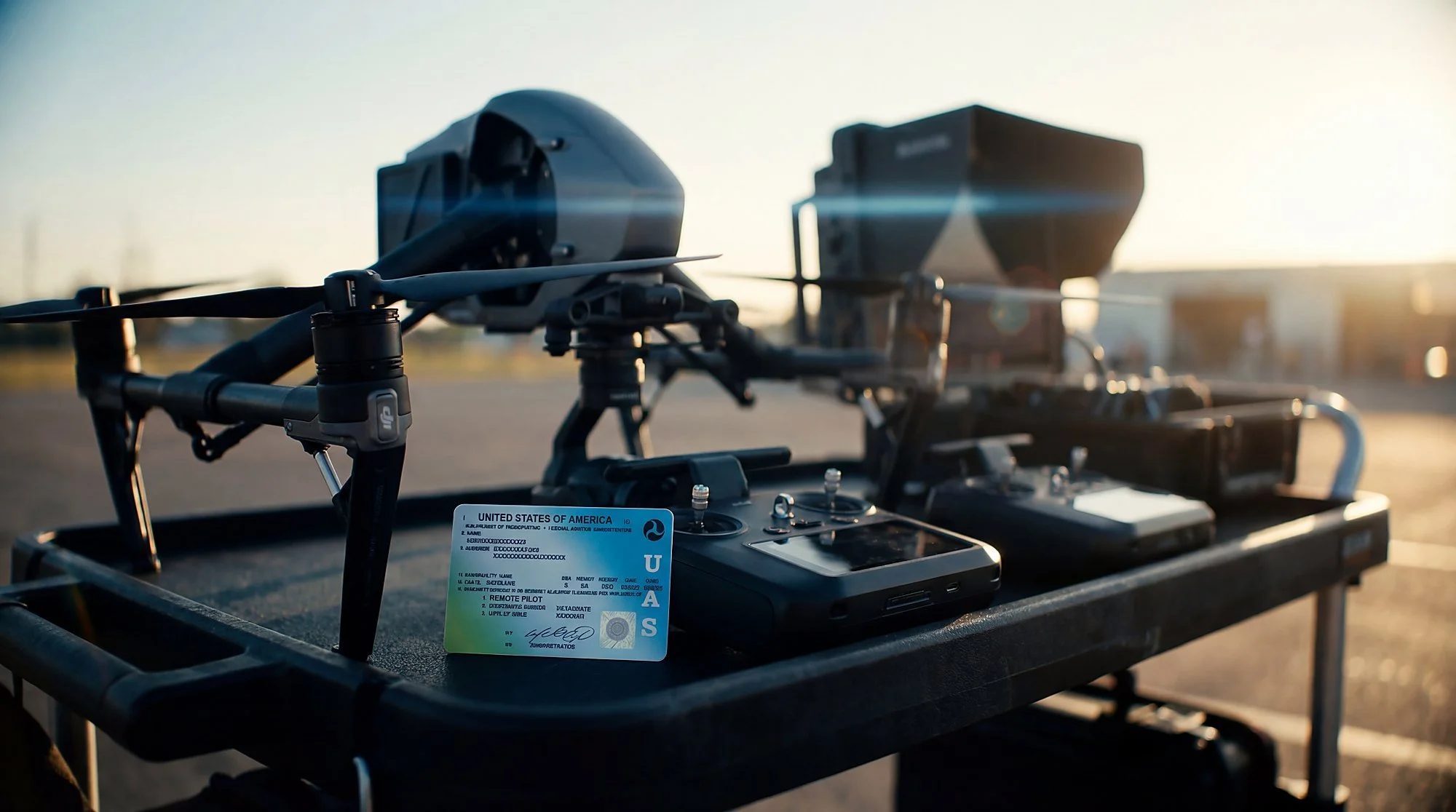
The Plastic Card: About 6–8 weeks later, the official plastic card arrives in your mailbox.
Part 4: Who DOESN'T Need It? (The TRUST Certificate)
If you truly, honestly are only flying for fun—no YouTube money, no favors for friends, just pure hobby—you do not need a Part 107.
However, you still need a certificate.
Recreational flyers must pass The TRUST (The Recreational UAS Safety Test).
Cost: Free.
Where: Online
Difficulty: Impossible to fail. If you get a question wrong, it lets you re-read the material and answer again until you get it right.
The Bottom Line: You cannot fly a drone in the USA in 2026 without some piece of paper in your pocket. It’s either the Part 107 (Commercial) or the TRUST (Recreational).
Conclusion: Just Get the Part 107
If you are on the fence, just get the Part 107.
Why? Because it gives you freedom. If you have the Part 107, you can switch from "fun flight" to "paid gig" instantly without breaking the law. It allows you to unlock special authorizations (like flying in controlled airspace) that recreational pilots often can't get. It makes you a safer, more competent pilot. Need help understanding airspace? Read our complete airspace guide for Part 107.
Ready to get qualified? Red Raven UAS makes the hardest part—the exam—easy. Our course breaks down the regulations and requirements so you can pass with confidence.
Watch: Red Raven Part 107 Course Overview
Part 107 Requirements FAQ (2026)
Do I need Part 107 if I’m not getting paid?
Yes, if the flight is not purely recreational. If the drone flight is in furtherance of a business, helps an organization, supports content monetization, or has any non-hobby purpose, Part 107 is typically required.
What’s the difference between Part 107 and recreational flying (TRUST)?
Recreational flying is only for fun under the recreational rules and requires the TRUST certificate. Part 107 applies to non-recreational operations and requires the Remote Pilot Certificate.
What are the Part 107 eligibility requirements in 2026?
In general, you must be at least 16 years old, be able to read/speak/write/understand English, be in a condition that allows safe operation, pass the FAA knowledge test, and pass TSA security vetting during the application.
Can I take the Part 107 test before I turn 16?
Some people take the knowledge test earlier, but you generally can’t apply for the actual Remote Pilot Certificate until you meet the minimum age requirement.
Do I need a medical exam or perfect vision for Part 107?
No medical certificate is required. You must be able to operate safely; this is generally a self-assessment requirement rather than a formal medical exam.
How many questions are on the Part 107 test and what’s on it?
The knowledge test is commonly 60 questions and covers topics like airspace, charts, weather, regulations, and safe operations.
How long does it take to get the Part 107 certificate after you pass?
Many applicants can access a temporary certificate after TSA vetting clears, often within days, and the permanent card typically arrives later.
What’s the fastest path to getting Part 107?
Create an IACRA account, get your FTN, schedule and pass the test at a testing center, then submit your application in IACRA and complete TSA vetting.
If I’m on the fence, should I just get Part 107?
Usually, yes. It removes the “gray area” risk, keeps you compliant when opportunities pop up, and gives you more flexibility for future missions and authorizations.
About Red Raven UAS
Red Raven UAS was founded by public safety and drone industry veterans who know what it takes to get certified and fly professionally. Our Part 107 online course was built by Derrick Ward — 35-year LAFD veteran and public safety UAS pioneer — and Michael Wilson, former Director at DJI. It cuts through the confusion of FAA manuals and scattered YouTube videos and gives you a clear, structured path to passing your exam on the first try — guaranteed. Whether you're a complete beginner or an experienced drone pilot finally going legit, we give you everything you need: study guide, practice tests, audio lessons, and an AI tutor available anytime. Pass the test, get your certificate, and start flying professionally with confidence.
Explore More