5 Signs Your Agency Needs A Drone Program
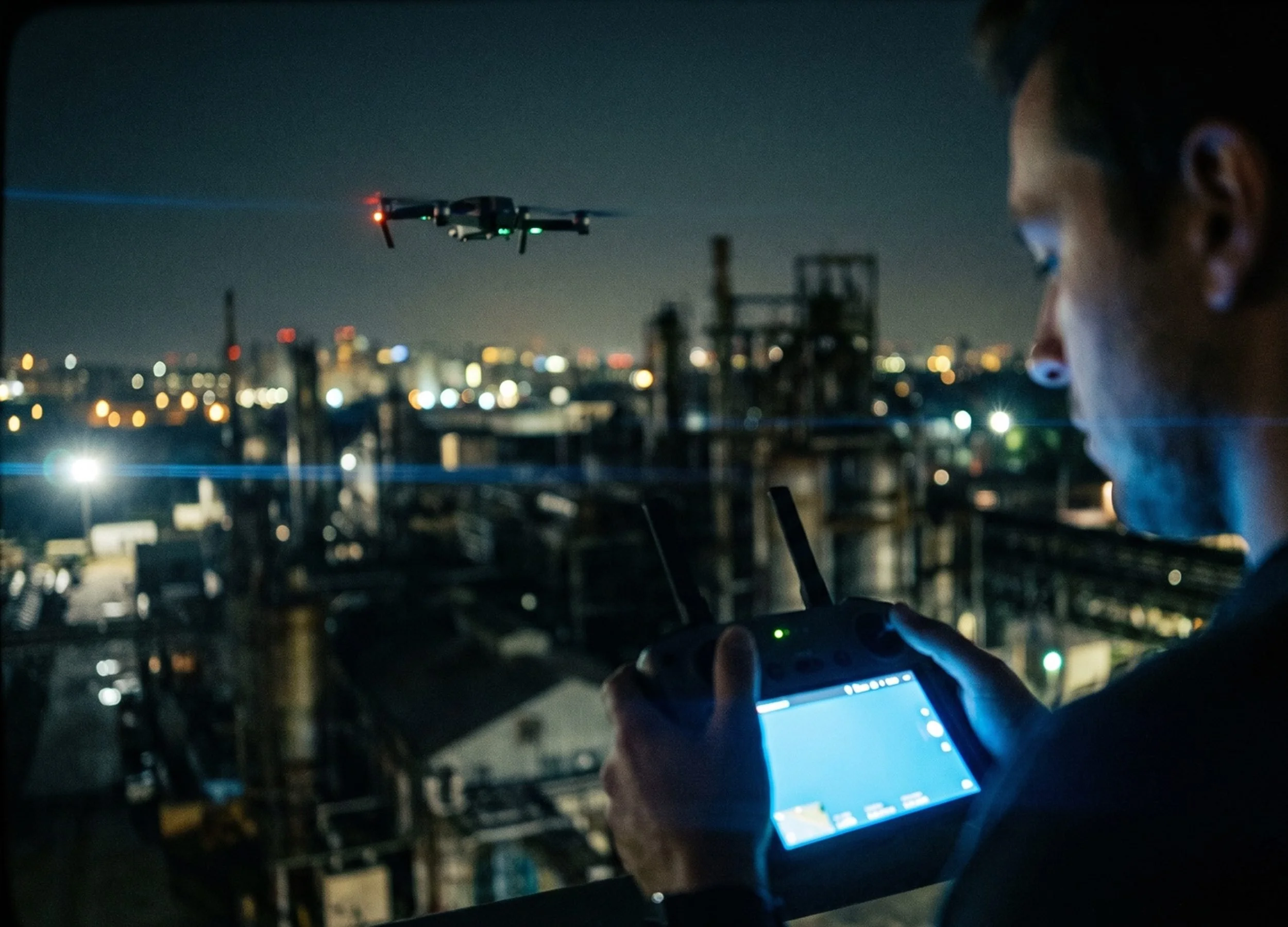
Picture this: it's 2 AM. Your officers are chasing a suspect on foot through a 40-acre industrial complex — no lights, no visibility, and the terrain is a maze of shipping containers and loading docks. You're pulling units from three surrounding districts to cover the perimeter, and you still don't know where he is.
Three miles away, another department is watching the exact same type of call play out in real time on a 1080p live video feed from 200 feet in the air. Their drone — an unmanned aircraft operated by one of their own certified pilots — was airborne 90 seconds after dispatch. Their officers walked directly to the suspect. The call closed in 11 minutes.
The difference between those two agencies isn't budget. It isn't personnel. It's that one of them built a drone program — and the other didn't.
If you're reading this, you're probably in the second category. And you're wondering whether it's time to change that. Here are five signs the answer is yes.
Sign 1: Your Team Has Had Incidents Where Eyes in the Sky Would Have Changed Everything
Think back over the last six months. How many calls did you run where situational awareness was the limiting factor?
Structure fires where you couldn't confirm whether anyone was still inside the back rooms. Search-and-rescue operations where your people spent hours combing terrain on foot that a drone could have covered in minutes using thermal imaging — a heat-sensing camera that can detect body heat even in complete darkness. Vehicle pursuits through residential neighborhoods where you lost visual and had to guess.
If you can recall even one incident where "I wish we had a drone up" crossed your mind — or your team's mind — that's worth paying attention to. These aren't hypothetical scenarios. They play out in agencies across the country every single week.
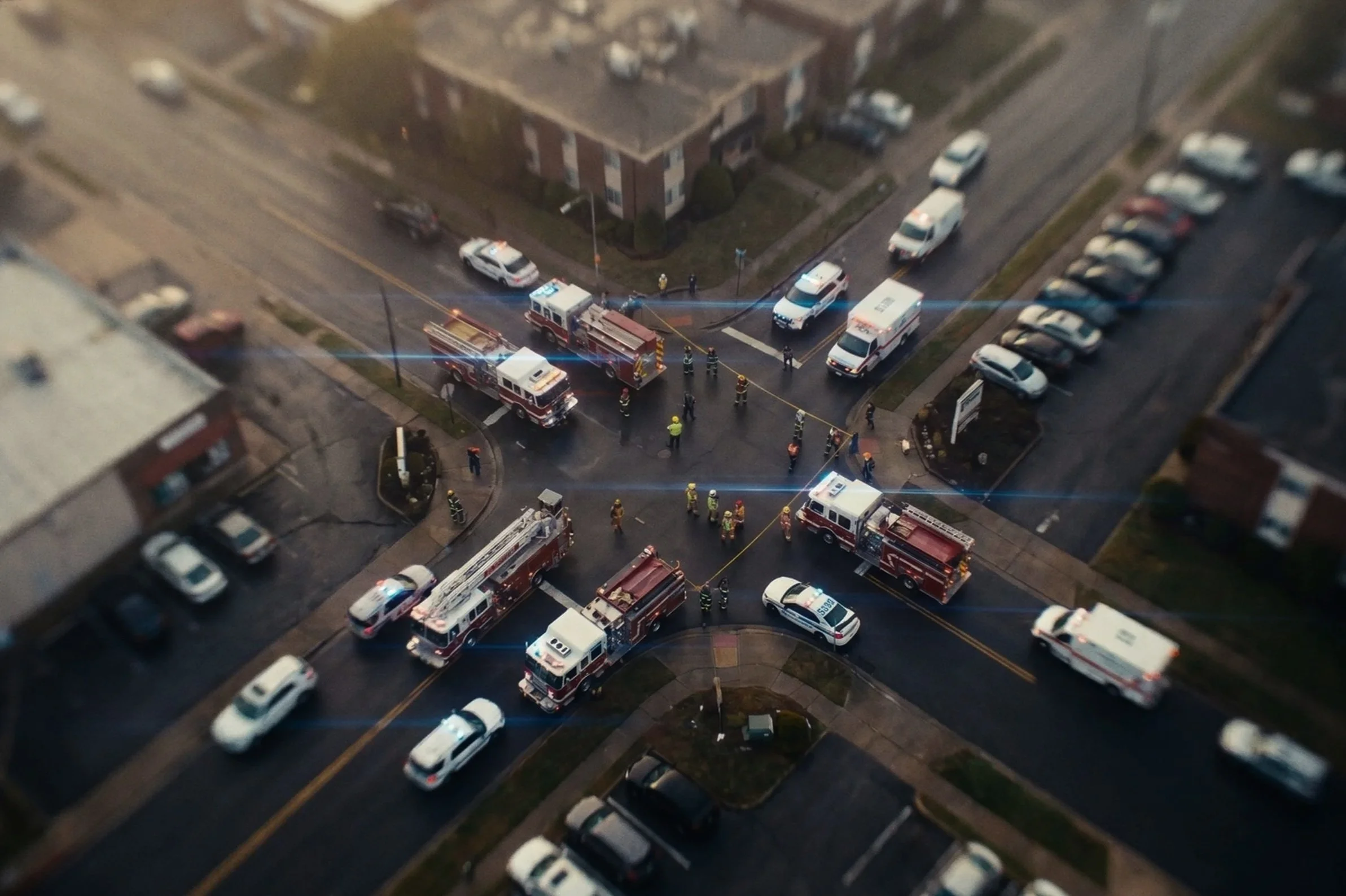
A drone doesn't just give you video. It gives you the right information at the exact moment you need it — when time is short, stakes are high, and the ground view isn't telling the whole story. It also lets you send information ahead of your people, which means fewer unknowns when they arrive on scene.
If your team can point to specific incidents where that capability would have made a difference, the case for a drone program isn't theoretical. It's operational.
Sign 2: You're Relying on Helicopter Support — and It's Slow, Expensive, or Not Always Available
Helicopter air support is extraordinary when you have it. But most agencies don't have it on standby 24/7. A law enforcement or fire aviation unit typically costs somewhere between $1,500 and $4,000 per flight hour to operate — and that's when you have access to one at all. Many agencies share aviation resources across counties or regions, which means waiting in line behind other calls.
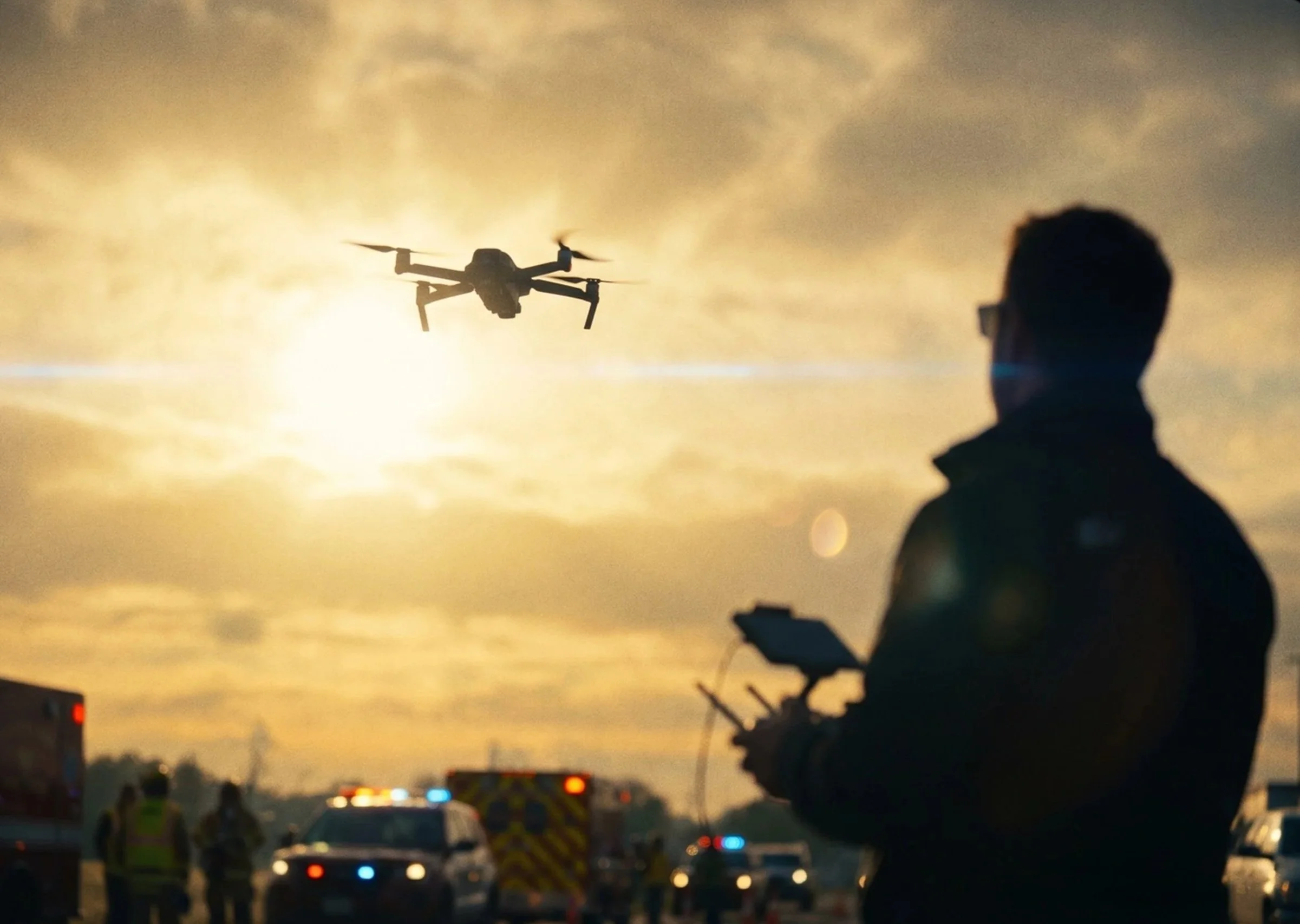
A professional-grade drone — the kind built for public safety work, with high-resolution cameras, thermal sensors, and enough flight time to actually be useful — can be airborne in under two minutes. It costs a fraction of helicopter operations per deployment. And it can be available every single shift if you build the program correctly.
You're not replacing a helicopter with a drone. Helicopters do things drones can't do. But a drone fills the gap between dispatch and when aviation support arrives — and in many situations, it eliminates the need for an aviation deployment entirely. That's both a safety improvement and a budget conversation.
Mutual aid for air support also isn't guaranteed. When neighboring agencies are running calls simultaneously, your priority in the queue drops. A drone program puts aerial capability inside your own agency — available on your schedule, on your terms, under your command.
Sign 3: Your Commanders Are Making Critical Decisions Without Full Situational Awareness
Incident command is only as good as the information coming in. In a structure fire, a hazardous materials incident (a situation involving dangerous or toxic substances that require specialized response), a large public safety event, or a wildland-urban interface fire — where wildfires meet neighborhoods — commanders on the ground are working with a partial picture.
What's happening on the east side of the building? Where are your units positioned relative to the fire spread? Is the crowd dispersing or compressing? Is the structure sound enough to send people in?
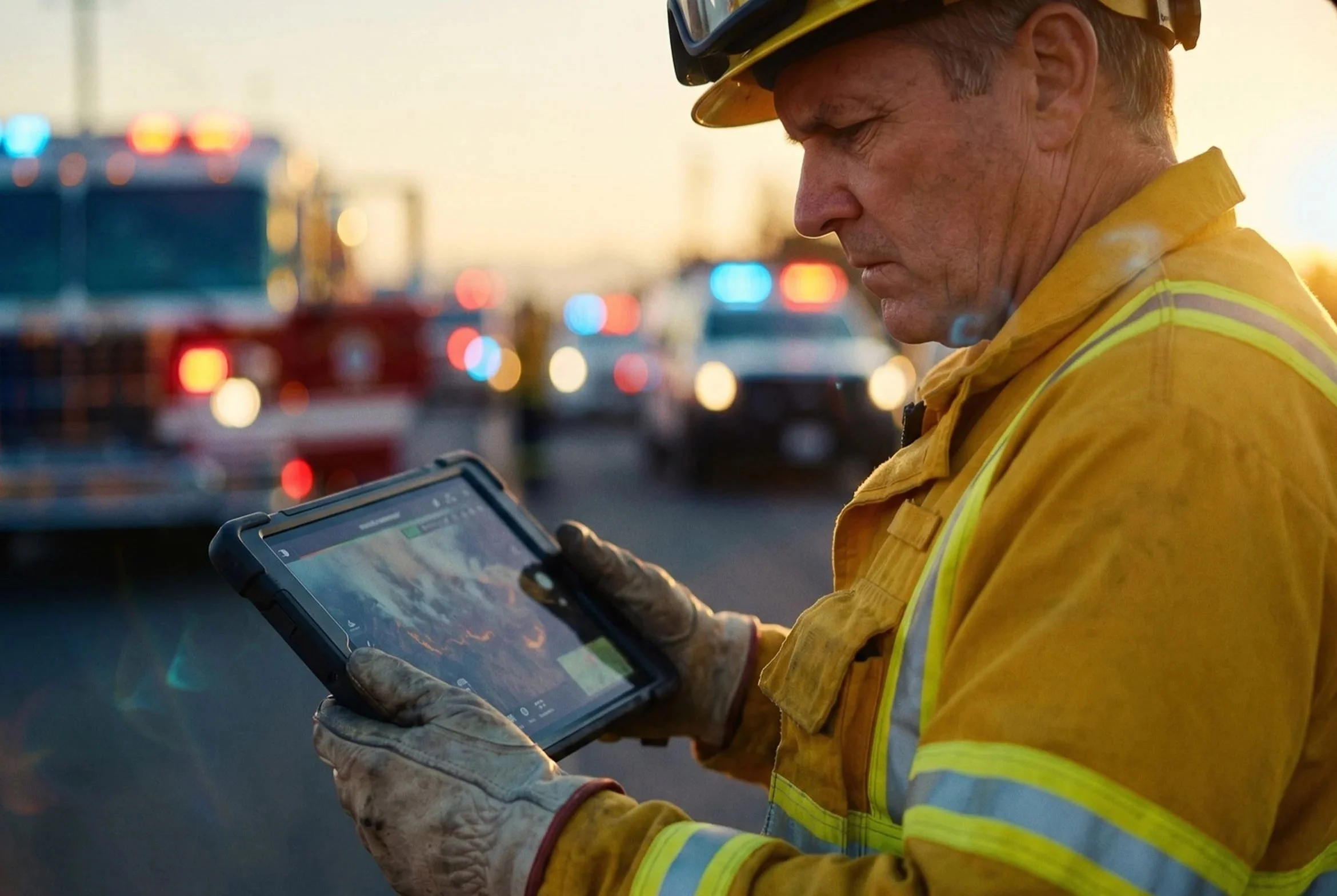
One drone overhead gives incident command a real-time aerial view of the entire scene. It shows fire spread direction, shows access and egress routes your ground crews can't see, shows where resources are deployed and where gaps exist. Decisions that used to be made on incomplete information get made with actual eyes in the sky.
This isn't about technology for its own sake. It's about giving the people responsible for everyone's safety the information they need to make better decisions in the moments that matter most. That's a program justification that holds up in any budget conversation with leadership.
If your agency regularly handles complex, evolving incidents — and most do — situational awareness isn't a nice-to-have. It's a core operational need. A drone program is one of the most direct ways to close that gap.
Sign 4: Agencies Around You Already Have Programs — and the Gap Is Widening
Drone programs in public safety aren't a new idea anymore. Departments across the country have been building them for several years. Many are now sophisticated operations with trained pilots, written policies, dedicated aircraft, regular training cycles, and clear deployment protocols. They're getting measurable results — faster scene assessment, faster searches, safer operations.
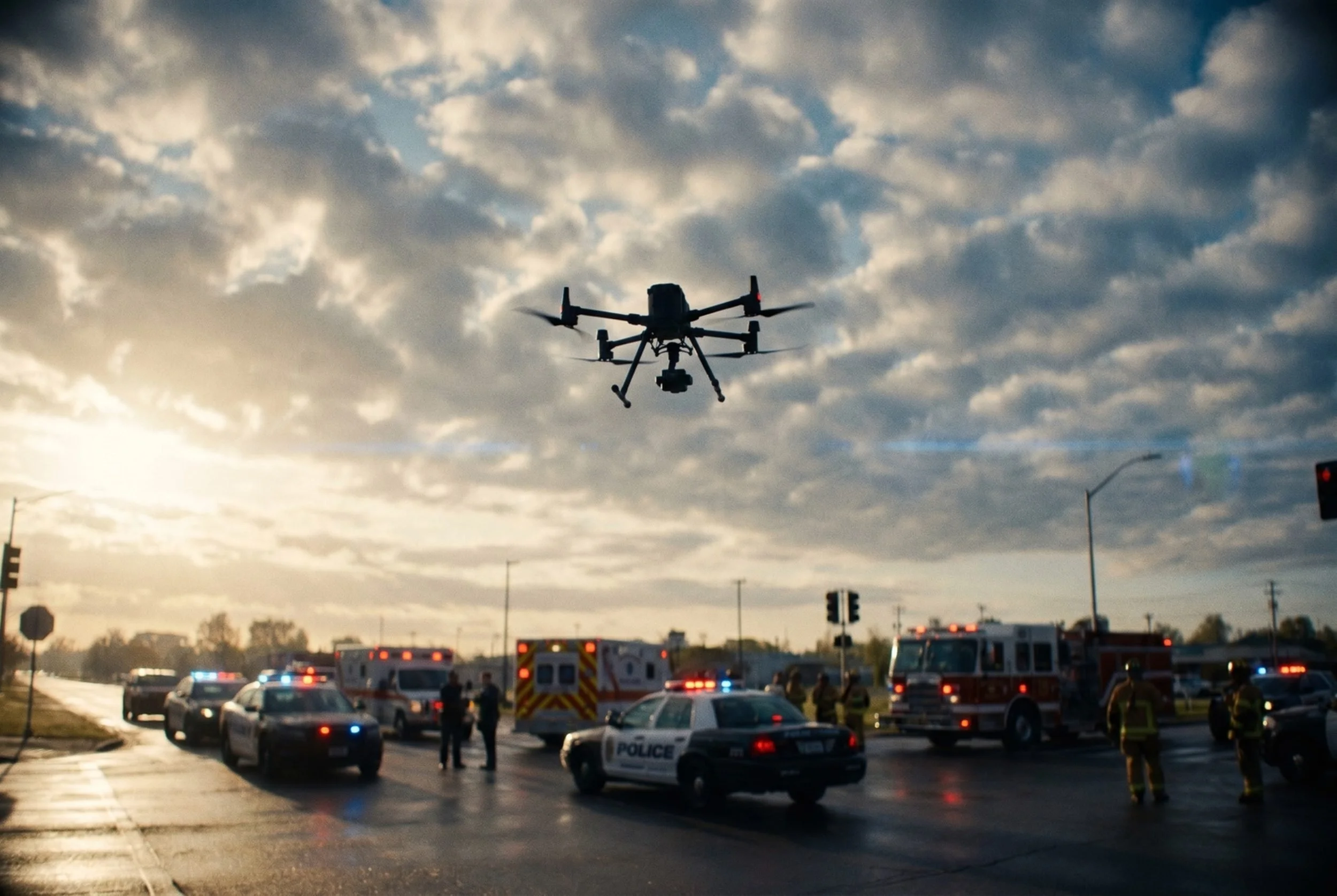
If your neighboring agencies have programs and yours doesn't, the gap isn't just technological — it's operational. When those agencies respond alongside yours on mutual aid calls, drone support is increasingly part of what they bring. If your agency can't participate in that capability exchange, it shows.
There's also a funding dimension worth understanding. Federal grants — from agencies like FEMA (the Federal Emergency Management Agency), the Department of Homeland Security, and others — have specifically supported drone program adoption in public safety. Those grants tend to go to agencies that have an actual plan, not just an expressed interest. The longer you wait, the fewer opportunities exist to fund the program before drone technology becomes an assumed capability rather than an emerging one.
The departments that started building programs two or three years ago have now worked out the hard problems: what platforms work for their mission types, how to train for proficiency and not just certification, how to write standard operating procedures (SOPs) — the written guidelines that tell your pilots exactly how to fly in different scenarios — that actually hold up in the field. You can learn from their experience. But you can only do that if you start.
For a deeper look at what building a program from scratch actually involves, read our complete guide to building a public safety drone program.
Sign 5: Leadership Wants Drones — But Nobody Knows Where to Start (or Who to Trust)
This is the most common sign we hear from agencies. Leadership is interested. Someone came back from a conference or saw what a neighboring department did and brought it to the table. There's organizational will. Maybe there's even some budget conversation happening.
And then it stalls.
It stalls because buying a drone is easy. Building a drone program is not — and the difference between those two things is enormous.

Agencies that jump straight to hardware — ordering platforms before they have policies, training frameworks, deployment protocols, or a maintenance plan — often end up with expensive equipment that sits unused. Not because the people aren't capable. Because the organization wasn't built around the program first.
A real drone program requires several things to be in place before a single aircraft leaves the ground. You need clarity on the mission types you're trying to support. You need platform selection that actually matches those missions — and the drone industry is full of vendors who will happily sell you the wrong platform for your needs. You need FAA compliance — Federal Aviation Administration, the agency that regulates all flights in U.S. airspace — and potentially waivers for specific operations like flying over people or at night. You need a training program for your pilots. You need SOPs for each call type. And you need a plan for keeping your pilots current and proficient after initial certification.
If your leadership's main question is "where do we start?" — that's exactly the right question. And it's exactly what our program consulting work is designed to answer. We've helped agencies build programs from the ground up, and we've seen what happens when the process is skipped. The program-first approach isn't slower. It's the only approach that actually works.
You can also see how drone programs are transforming law enforcement operations and what drone training for fire departments actually looks like in practice.
What to Do Next
If you recognized your agency in any of these five signs, the first step isn't picking out a drone. It's building the right foundation around it.
That starts with an honest assessment: What mission types are you actually trying to support? What's your current air support situation — and how often is it inadequate? What resources — budget, personnel, facilities — are available to build and sustain a program? What regulatory environment applies to your geography and operations?
Those answers drive every other decision. The platform you select. The training you prioritize. The policies you write. The partnerships you need.
At Red Raven, we work with agencies at every stage of this process — from the first leadership conversation through full program launch and ongoing pilot support. We don't sell hardware. We don't have a vendor relationship that biases our platform recommendations. Our only objective is building a program that works for your agency's specific missions, team size, and operating environment.
If your agency is ready to have that conversation, schedule a free consultation with our team. We'll talk through where you are, what you need, and what a realistic path to a functional program looks like — without the sales pressure and without the guesswork.
You can also learn more about our full range of training and consulting services or reach out through our contact page anytime.
-
Does my agency actually need a drone program, or is this just a trend?
Drone programs in public safety have moved well past trend status — they're now a standard operational tool at departments across the country. If your agency regularly handles incidents where real-time aerial situational awareness would improve outcomes (fires, searches, pursuits, hazmat, large events), the case for a drone program is operational, not aspirational. The question isn't whether agencies need them — it's whether yours is ready to build one the right way.
How much does it cost to start a drone program?
Costs vary significantly based on mission scope, platform selection, and training requirements. A basic program with one or two aircraft and a small trained team can be built for under $20,000. More complex programs with multiple platforms, thermal capabilities, and advanced operational requirements can run higher. The bigger cost factor most agencies underestimate is the ongoing investment: training, maintenance, equipment replacement, and keeping pilots current. A proper program assessment helps you understand the real numbers before you commit.
Do all drone pilots in our agency need FAA Part 107 certification?
Yes — for any commercial or government use of drones (anything other than purely recreational flying), your pilots need to hold an FAA Part 107 Remote Pilot Certificate. Part 107 is the FAA's set of rules governing commercial drone operations, and the certificate requires passing a knowledge test at an FAA-approved testing center. Red Raven offers an online Part 107 course that prepares pilots to pass the exam and understand the rules that apply to real operational environments.
How long does it take to build a drone program?
A basic functional program — aircraft acquired, pilots certified, core SOPs written, and initial training complete — can typically be stood up in three to six months for a small agency. Larger or more complex programs (multiple call types, advanced waivers, multi-platform fleets) take longer. The most important factor isn't speed — it's building the policy and training framework before you start flying operationally. Agencies that skip that step usually have to rebuild from scratch after their first significant incident.
What's the best drone for public safety?
There's no single best platform — the right drone depends entirely on your mission types, budget, operating environment, and regulatory situation. Thermal capability, flight time, wind resistance, payload options, and compliance with federal purchasing requirements (especially for law enforcement and government agencies) all factor in. Red Raven works with agencies on vendor-neutral platform selection, meaning we'll tell you what fits your needs — not what we're incentivized to sell.
Can we get grants to fund a drone program?
Yes — federal grant programs, including FEMA Homeland Security grants and certain DOJ programs, have funded drone programs for public safety agencies. State-level grants also exist in many jurisdictions. The key to accessing those funds is having a well-documented program plan and clear mission justification before you apply. Agencies that approach grant applications with a fully developed program concept are far more successful than those with a vague equipment request.
Do we need FAA waivers to fly operationally?
It depends on what you want to do. Standard Part 107 rules allow daytime, visual-line-of-sight operations in uncontrolled airspace without waivers. Many agencies operate entirely within those rules. But if you need to fly at night (very common in public safety), over people, or in controlled airspace around airports, you'll need either specific waivers or to use the FAA's LAANC system — the Low Altitude Authorization and Notification Capability, an automated tool that gives near-instant airspace authorization in many areas. Understanding what waivers you'll need is part of building the program correctly from the start.
What's the difference between getting pilots Part 107 certified and actually training them for operations?
Part 107 certification proves your pilots understand FAA regulations and aviation knowledge — it does not teach them how to fly effectively in your specific operational environment. Mission-ready training is built around your actual call types: how to deploy in a structure fire scenario, how to fly safely around other aircraft, how to use thermal imaging in a search, how to communicate with incident command. Passing the Part 107 exam is the beginning, not the end. Red Raven's on-site training programs are built specifically around your agency's mission environment.
Links & Resources
Red Raven UAS Consulting & Program Development: https://www.redravenuas.com/consulting
Red Raven UAS Services: https://www.redravenuas.com/services
Schedule a Free Consultation: https://www.redravenuas.com/contact
FAA Part 107 Online Course: https://www.redravenuas.com/part107
How to Build a Public Safety Drone Program: https://www.redravenuas.com/blog/build-public-safety-drone-program-guide
Drones in Law Enforcement: https://www.redravenuas.com/blog/drones-law-enforcement
Drone Training for Fire Departments: https://www.redravenuas.com/blog/drone-training-fire-departments
Red Raven UAS Blog: https://www.redravenuas.com/blog
Red Raven UAS Podcast: https://www.redravenuas.com/podcast
About Red Raven UAS
Red Raven UAS was founded by public safety and drone industry veterans who understood the gap between having drones and knowing how to deploy them effectively. Our team brings together decades of real-world operational experience — including building one of the nation's first major public safety drone programs — and deep expertise in the commercial UAS sector across energy, utilities, and infrastructure.
We work with public safety agencies, government teams, and enterprise organizations to build drone programs designed around their specific missions, workflows, and operational requirements — not a generic course deck. No hardware sales. No one-size-fits-all curriculum. Just field-tested instruction and independent program development guidance from people who have actually built and operated UAS programs at scale.
From initial program assessment and mission analysis through pilot training, SOP development, and regulatory compliance, Red Raven delivers the full program infrastructure agencies need to deploy drones effectively — and keep them performing.
Explore More